


Separation Anxiety: Signs, Causes, and Solutions
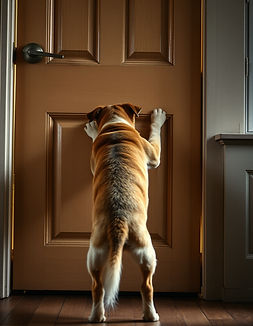
Living with a dog who has separation anxiety can be emotionally exhausting. But with patience, understanding, and the right support, change is possible. Separation anxiety is one of the most common and misunderstood behaviour challenges dog owners face. It’s more than a dog “being naughty” when left alone. For many dogs, being separated from their person causes real panic and distress.
The good news? With the right approach, separation anxiety can be improved, and in many cases, successfully managed.
What Is Separation Anxiety?
Separation anxiety occurs when a dog becomes distressed when they are left alone or separated from their owner. This distress often starts before you even leave and can escalate while you’re gone.
Dogs with separation anxiety aren’t acting out of spite, they’re responding to fear.
Common Signs of Separation Anxiety
Not all dogs show separation anxiety in the same way. Some signs are obvious, while others are subtle.
Common behaviours include:
Excessive barking, howling, or whining when left alone
Destructive behaviour (doors, windows, furniture, crates)
Toileting inside despite being house-trained
Pacing, drooling, or trembling
Trying to escape the house or yard
Refusing food when alone
Velcro behaviour, following you constantly when you’re home
If these behaviours happen only when you leave, separation anxiety may be the cause.

What Causes Separation Anxiety?
There isn’t one single cause. Often, it’s a combination of factors.
Common triggers include:
A big change in routine (returning to work, school holidays ending)
Moving house
A new family member or pet
Previous trauma or abandonment
Rescue or re-homed dogs
Over-dependence on one person
Lack of confidence being alone
Some dogs simply haven’t learned that being alone is safe.
Why “Just Leaving Them to Cry It Out” Doesn’t Work
Ignoring separation anxiety doesn’t make it go away. In fact, it often makes it worse.
When a dog is panicking:
They are not learning
They are not calming themselves
They are reinforcing fear
True improvement comes from building confidence, not forcing independence.
Practical Solutions That Help
There’s no quick fix, but there are proven strategies that work.
🐾 Build Independence at Home
Encourage your dog to settle away from you
Use place training or calm mat work
Avoid constant physical contact
🐾 Desensitise Departures
Practice short absences (seconds, not hours)
Pick up keys, shoes, or bags without leaving
Slowly build duration once your dog stays calm
🐾 Create Calm Associations
Use enrichment (lick mats, sniffing games)
Leave only when your dog is relaxed
Avoid big emotional goodbyes or greetings
🐾 Support Emotional Regulation
Teach calm behaviours
Focus on confidence-building training
Ensure physical and mental needs are met
When Professional Help Matters
Separation anxiety is one area where one-on-one training is incredibly important. Every dog’s triggers, history, and stress levels are different.
At Doggie Diplomas, we work closely with both dogs and owners to:
Identify the root cause of the anxiety.
Create a realistic, step-by-step plan.
Teach owners the tools they need to continue progress at home.
Focus on long-term success, not quick fixes.
You don’t need to navigate this alone, and your dog doesn’t need to struggle.
If your dog struggles when left alone, reach out and ask us how. Doggie Diploma is always happy to chat and help you decide the best next step for you and your dog.


